Items

Davidson Lab
The primary focus of my research is to examine the perceptual, cognitive, and audiological factors influencing speech and language outcomes in children with cochlear implants (CIs) and hearing aids (HAs). The foundation for this multidisciplinary approach is providing optimal audibility through sensory devices (HAs and CIs). My experience as a clinical pediatric audiologist motivates me to address key clinical questions with evidence based research.
Harbison Lab
The Harbison Lab at WashU Medicine is revolutionizing cancer treatment by uncovering how cancers hijack nutrients to outsmart the body’s defenses. Through rigorous science, we aim to reduce treatment side effects, enhance cure rates, and give patients the tools to reclaim vibrant, fulfilling lives.
Hirose Lab
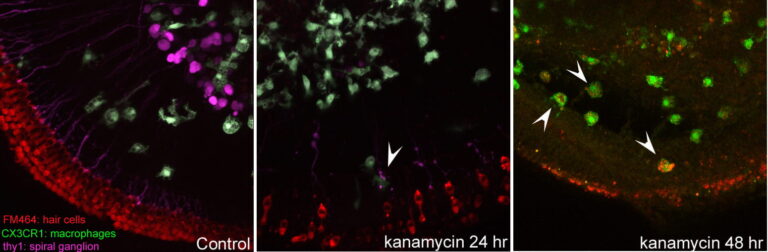
After various forms of injury, the inner ear degenerates and inflammatory cells exit the blood vessels and enter the fluid spaces of the cochlea. To what degree these inflammatory cells could be helpful for repair or could serve to exacerbate injury is uncertain. We use methods to image live macrophages in cultures of the mouse inner ear as well as methods to suppress monocytes and macrophages in living mice to determine how these cells affect injury in the cochlea after exposure to ototoxic medications, noise damage or other insults that affect the survival of inner ear sensory cells.
Kim Lab
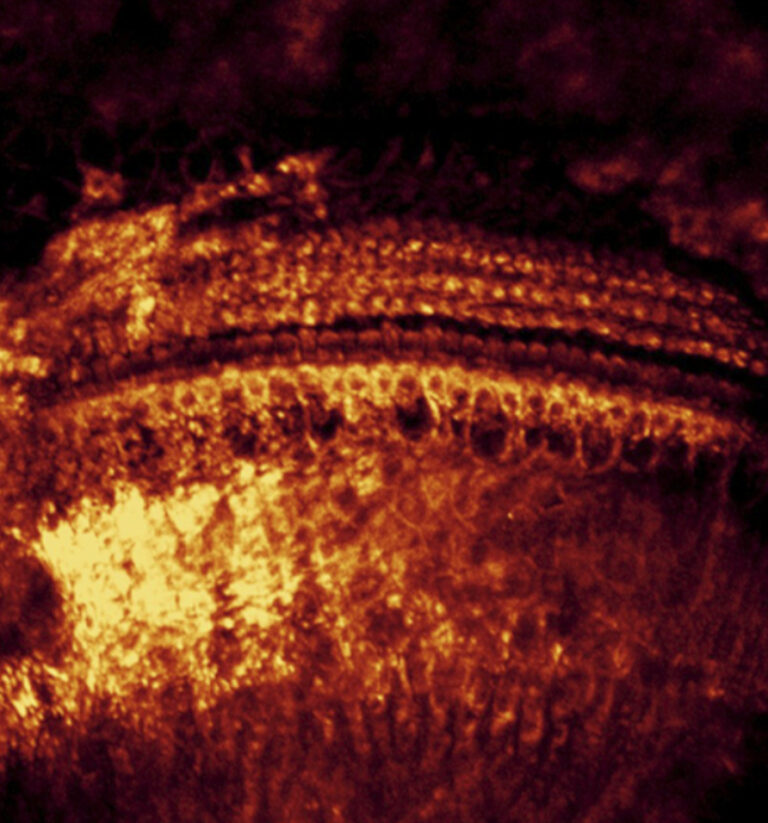
The ability to obtain multicellular functional images in vivo has transformed neuroscience research, especially the field of sensory physiology. Our novel surgical methods allow real-time visualization of multiple cochlear cells in hearing-preserved animals. We use these approaches to help characterize the properties of sound coding and processing in the cochlea and along the central auditory pathway. Our efforts will also shed light on the transport of ototoxic drugs into the cochlea and promote the development of pathway blockers to prevent drug-induced hearing loss.
Lieu Lab
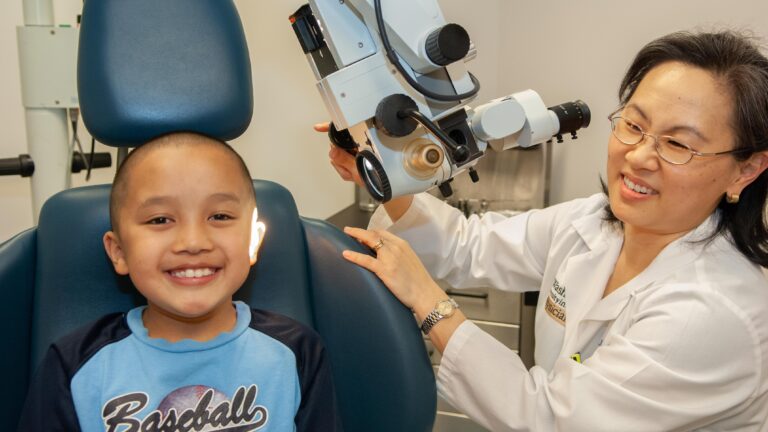
Our current research focuses on the effects and consequences of hearing loss in children, especially unilateral hearing loss (hearing loss in one ear). We use clinical epidemiology research methods and collaborate with colleagues in neuroscience, psychology, and auditory science to investigate speech-language, cognition, educational effects, executive functioning, and quality-of-life in children with hearing loss. We hope to identify factors that can lead to targeted earlier intervention and possibly better educational performance or language skills acquisition in the future.
Panuganti Lab
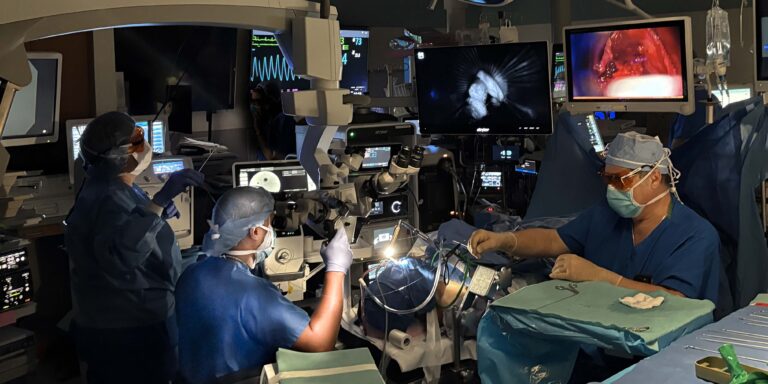
The Panuganti Lab research centers on improving surgical care for laryngeal cancer and complex airway disease through the development of advanced intraoperative imaging and innovative surgical techniques.
Peng Lab
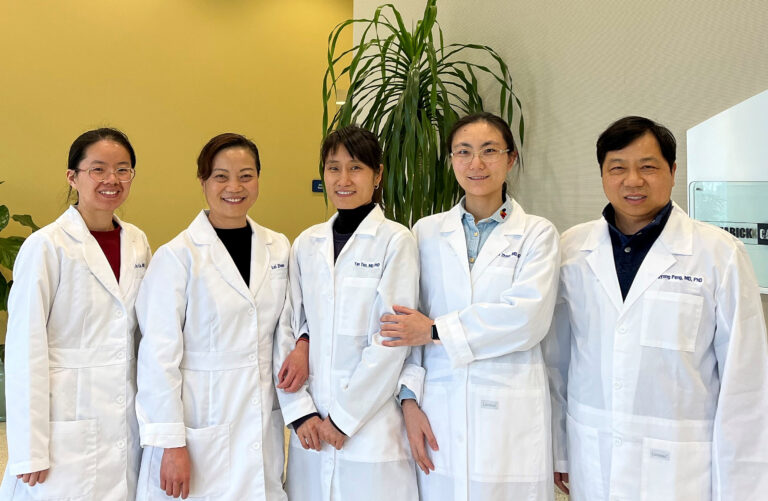
Our mission is to understand the role of the immune system in the pathogenesis of cancer and age-related neurological disorders, and then to develop effective strategies for the manipulation of immune cell fate and function to provide disease prevention and immunotherapy.
Puram Lab
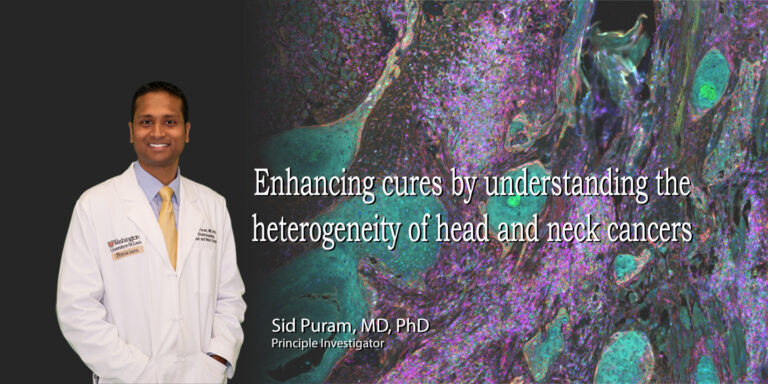
We are a translational/basic science laboratory devoted to understanding the transcriptional and epigenetic heterogeneity of head and neck cancers. By understanding the mechanisms underlying the growth, development and spread of these cancers, we hope to develop new
diagnostics and therapeutics to treat this devastating disease.