Research Faculty

Sidharth V. Puram, MD, PhD, FACS
Lindburg Professor and Chair, Department of Otolaryngology–Head and Neck Surgery
Director, Robert Ebert and Greg Stubblefield Head and Neck Tumor Center
Castle Connolly Top Doctor
- Phone: 314-362-7509
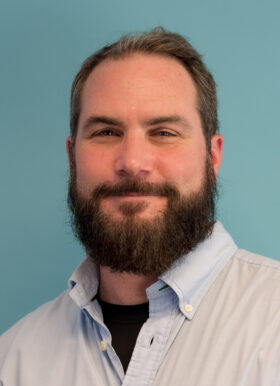
Mark A. Rutherford, PhD
Associate Professor of Otolaryngology—Head & Neck Surgery
Electrical and chemical signaling across membranes, neural temporal code, spike generation, molecular anatomy of synapses, membrane excitability disorders, auditory and vestibular systems, synaptic electrophysiology, sensory hair cells, spiral ganglion neurons, ribbon synapses, ion channel organization and function, nano-scale microscopy, Ca2+ and voltage imaging, mutational analysis, computational modeling, cochlear implants, structure-function relationships, synaptic development and heterogeneity, genetics of hearing and deafness, optogenetics, mitochondria, network and synaptic plasticity, efferent neuromodulation of sensory processing, prevention of hearing loss.
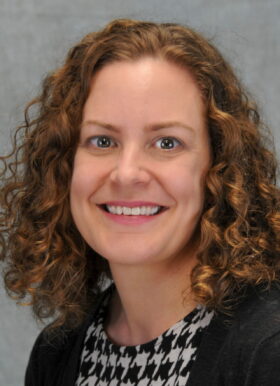
Lavinia Sheets, PhD
Associate Professor
Otolaryngology—Head & Neck Surgery
- Email: sheetsl@wustl.edu
Hair cells are the sensory receptors of sound, motion, and spatial orientation. Exposure to excessively loud noise or certain drugs can permanently damage hair cells and their connections to nerve fibers. My lab investigates the cellular mechanisms of noise-induced and chemical hair-cell damage using zebrafish as a model for human hearing and deafness.
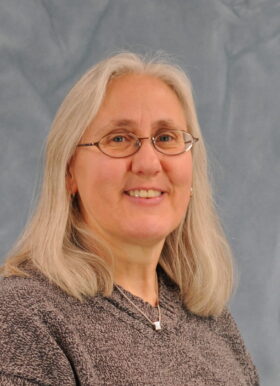
Rosalie M. Uchanski, PhD
Associate Professor
Otolaryngology—Head & Neck Surgery
Research Interests: Speech perception by hearing-impaired listeners, especially cochlear implant users; perception of talker-specific properties of speech by cochlear implant users, perception of suprasegmental speech characteristics and its relation to learning words; psychoacoustic abilities of cochlear implant users and of persons with unilateral hearing loss.
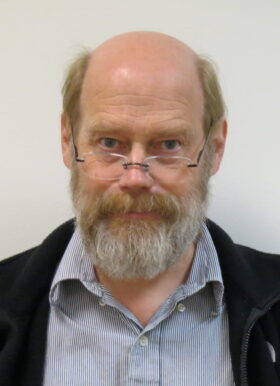
Mark Warchol, PhD
Professor
Otolaryngology—Head & Neck Surgery;
Professor
Dept. of Anatomy & Neurobiology
Research in my lab focuses on the development and regeneration of sensory receptors and afferent neurons in the inner ear.
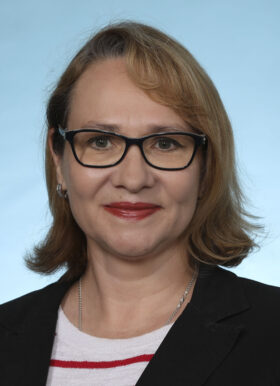
Tatyana A. Yakusheva, PhD
Assistant Professor
Otolaryngology—Head & Neck Surgery
My work focuses on understanding the role of the cerebellar nodulus and uvula (NU) in motion perception and spatial navigation. We aim to understand how NU processes the vestibular signals arriving directly or indirectly from the vestibular organs (otolith and semicircular canal afferents).
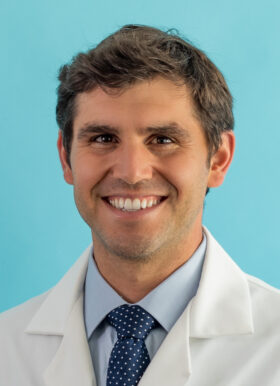
Paul Zolkind, MD
Assistant Professor of Otolaryngology—Head & Neck Surgery
Chief of Otolaryngology, John Cochran VA Medical Center
Castle Connolly Top Doctor
- Phone: 314-362-7509
Dr. Zolkind is a head and neck specialist that treats benign and malignant head and neck tumors, salivary gland tumors and thyroid and parathyroid disorders. He specializes in transoral robotic surgery and microvascular reconstruction.