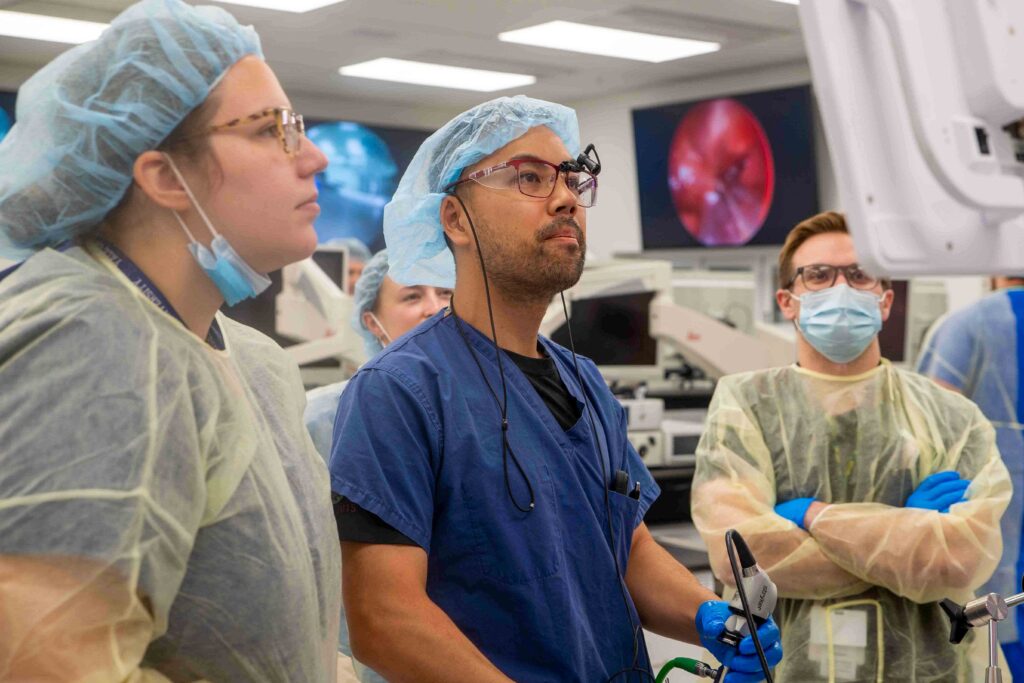
Two of our chief residents have matched for surgical fellowships to continue their training in specialized areas of otolaryngology. We asked them what inspired their specialty choice, their impressions of the process, and what advice they might give their junior colleagues who are considering similar training.
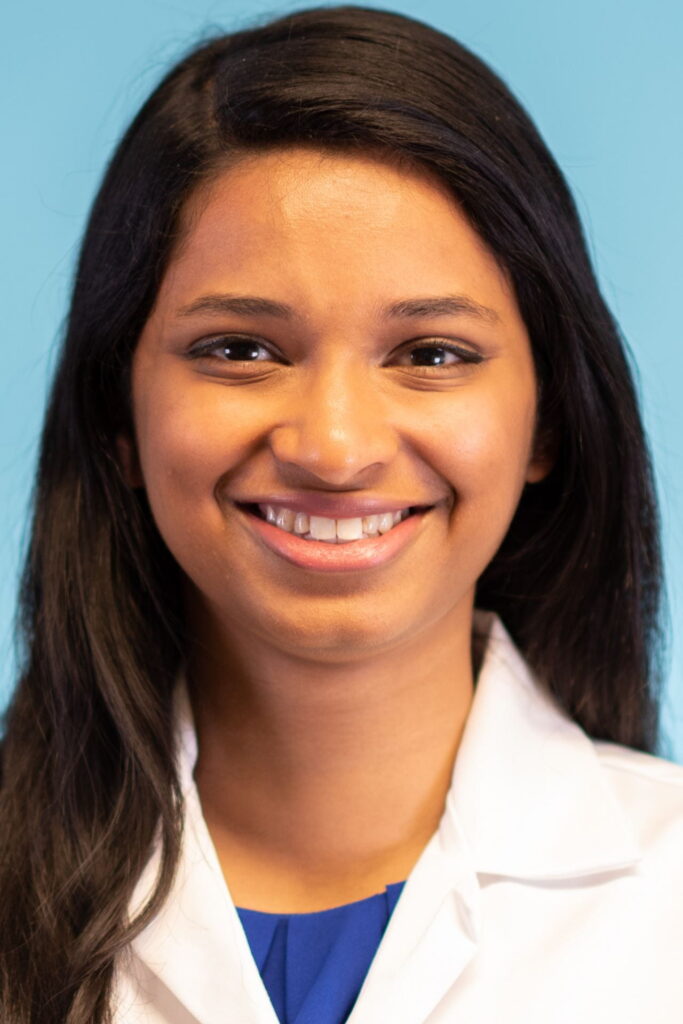
Theresa Tharakan, MD, MSCI
Fellowship match: Head and Neck Oncologic Surgery, University of Miami, Miami, Fla.
Inspiration for this specialty?
I became interested in treating cancer patients during medical school, even before deciding to become a surgeon. Oncologists deal with complex and challenging problems, have an extraordinary level of expertise, and develop rewarding longitudinal relationships with their patients. I knew I wanted to support patients through a difficult time in their lives. Every head and neck cancer and its treatment has an impact on a patient’s quality of life. Additionally, seeing the skill, creativity and problem-solving of our surgeons at WashU Medicine confirmed that I would find head and neck surgery a very fulfilling career choice.
Interview/match process?
The interview process was fun because I got to meet so many people that I’d heard of or heard speak at meetings. They will all be my colleagues and I will be working with many of them in some capacity throughout my career! Different fellowship programs have different strengths, so it was great to make friends on the trail and see how everyone’s fellowship match lined up with their goals.
Most appealing aspect of match site?
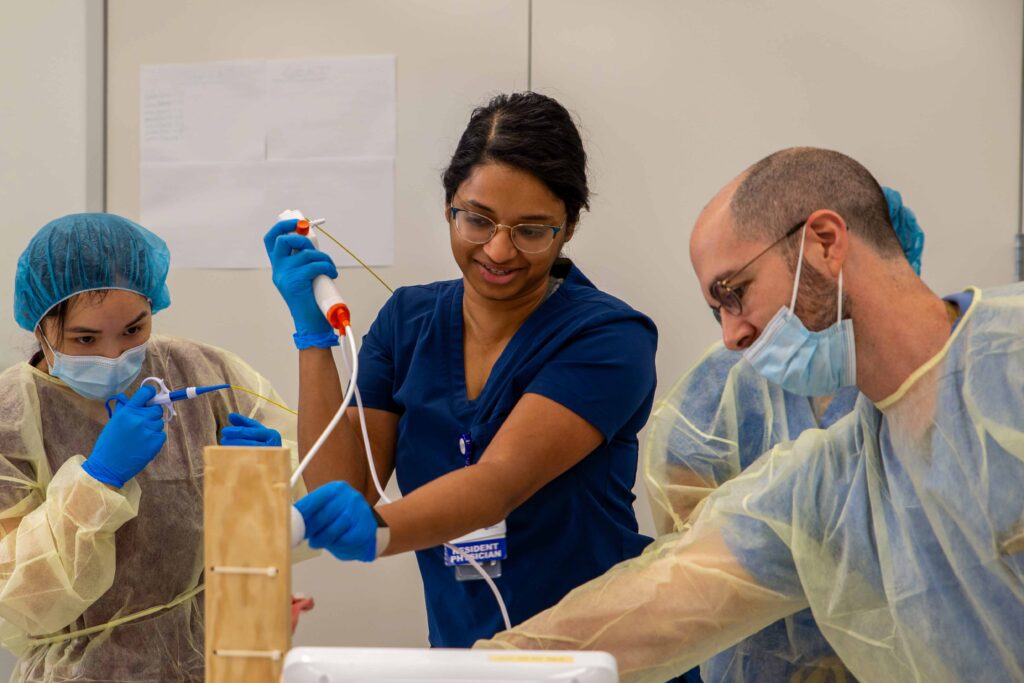
I chose the U Miami program because they offer a robust experience in the full spectrum of head and neck surgical oncology and reconstruction. They serve a diverse patient population and have faculty with a wide variety of training and academic interests. They have a strong emphasis on fellow education with a dedicated fellow clinic/OR, one of their faculty is chair of the national AHNS fellowship training council, and several graduates have gone on to become leaders in the field of head and neck. Plus, the faculty love working there, have friendly personalities, and are excellent role models (including four women). A few WashU residency graduates trained there in recent years and loved it, so I couldn’t be happier with my match.
What are you most looking forward to?
I am looking forward to the deep learning that comes with full immersion in one field; refining my surgical skills and learning new techniques; and having the graduated independence that comes with being a fellow. I am also excited to continue building an academic career through teaching residents and developing new clinical research projects.
Advice to others?
Fellowship interviews are more relaxed than residency interviews. You’ll have many common interests and personal connections with your interviewers. You will also have a better sense of what you want out of a training experience. Enjoy the process!
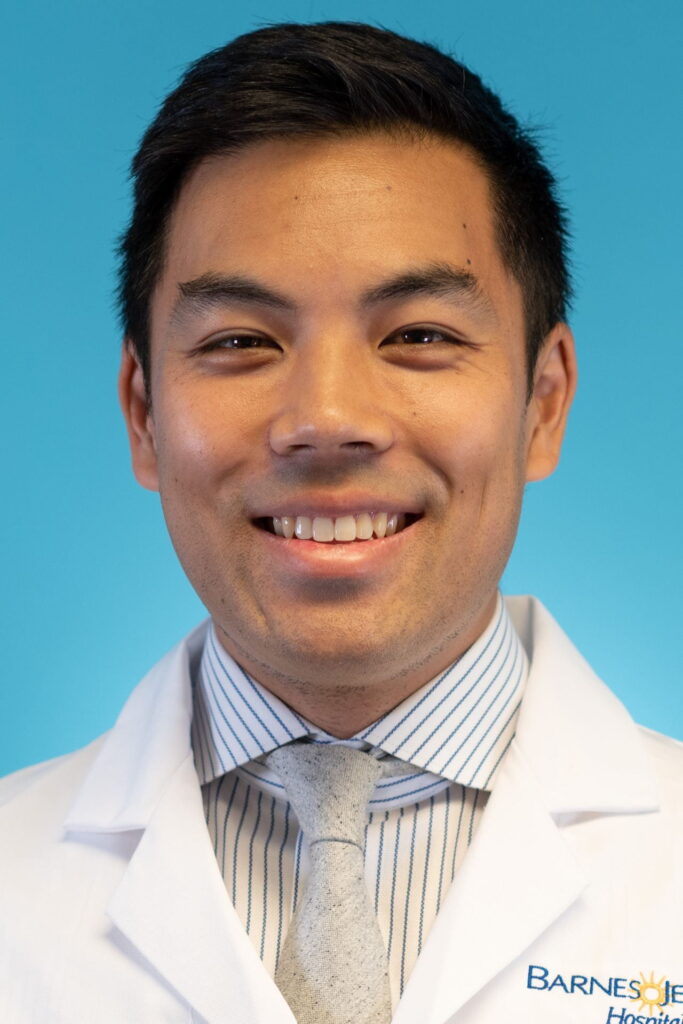
David Lee, MD, MSCI
Fellowship match: Otology Group of Vanderbilt University, Nashville, Tenn.
Inspiration for this specialty?
I seemingly grew up at the family dinner table – talking, telling stories, connecting and re-connecting – so helping people communicate with those they love has always been important to me. Neurotology was a natural fit. I’m excited to learn more about this field and take the next step toward becoming a surgeon who can help patients engage with their community.
Interview/match process?
I’m grateful to my mentors here at WashU Medicine. They offered great advice on the application process, so I really felt prepared. I was pleasantly surprised by how much I enjoyed the interview process. It was fun getting to know future colleagues on the interview trail and meet some of the leaders in the field. While I’m glad to be done with the match, I enjoyed touring around the country and “trying on” different cities, so to speak.
Most appealing aspect of match site?
The two most important aspects of my top fellowship choices were quality of training and a great fit with family life. Two years of fellowship go by quickly, and I wanted to get the best training that I can find. At the same time, two years is still two years, and I wanted a situation where my wife, daughter and dog could all thrive as well. Other concerns were just minor details.
What are you most looking forward to?
I am most looking forward to peering down the microscope into the cerebellopontine angle with instruments in my hands.
Advice to others?
Understand that a match must work to benefit both trainee and institution. Be honest with yourself and your application, because there is no best program or best applicant. I found that mindset to be empowering, especially during times when doubt and insecurities can flare.