Research Faculty


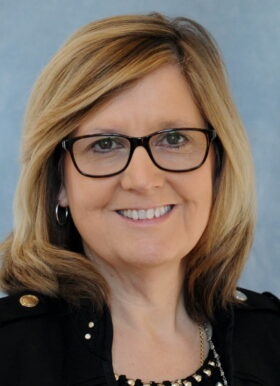
Lisa Davidson, PhD
Associate Professor
Otolaryngology—Head and Neck Surgery;
Coordinator
Pediatric Audiology at the CID Oral School
Research Interests: The overall goal of our current research project is to specify how perceptual and cognitive abilities interact to determine relative benefits of sensory devices for children with moderate to profound sensorineural hearing loss.
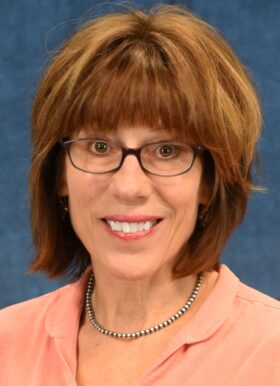
Jill B. Firszt, PhD
Professor
Otolaryngology—Head and Neck Surgery
Director, Cochlear Implant Program
Dr. Firszt's clinical and research interests include bilateral and unilateral cochlear implants in adults and children, asymmetric hearing and unilateral haring loss, speech recognition, behavioral and electrophysiologic measures with electrical stimulation and optimization of speech processor mapping.
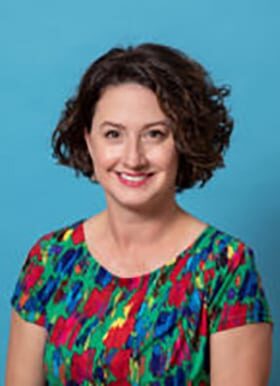
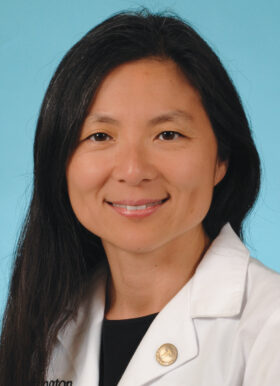
Keiko Hirose, MD
Professor of Otolaryngology—Head & Neck Surgery
Castle Connolly Top Doctor
- Phone: 314-454-6162
- Fax: (314) 454-2174
Dr. Hirose's clinical interests include pediatric hearing loss, cochlear implantation, chronic ear surgery, cholesteatoma, conductive hearing loss, aural atresia, BAHA, ear infections, speech disorders, velopharyngeal insufficiency, cleft palate, craniofacial disorders.
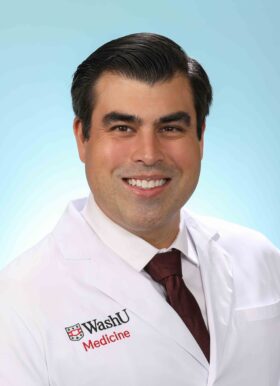
Sebastian M. Jara, MD, MPH
Assistant Professor of Otolaryngology – Head and Neck Surgery
- Phone: 314-362-7509
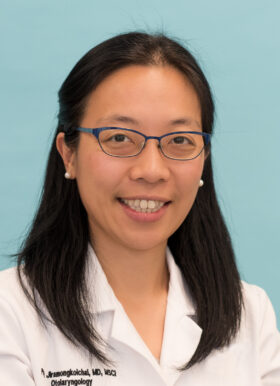
Pawina Jiramongkolchai, MD
Assistant Professor of Otolaryngology—Head & Neck Surgery
- Phone: 314-362-7509
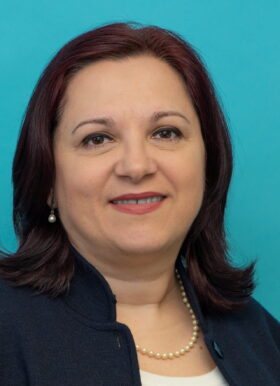

Jinkyung Kim, PhD
Assistant Professor of Otolaryngology—Head & Neck Surgery
- Email: jinkyung@wustl.edu
The goal of the Kim Lab is to characterize the properties of sound coding and processing in the cochlea and along the auditory pathway through in vivo real-time monitoring of sound-evoked multicellular activities. Additionally, we aim to identify the transport mechanisms responsible for ototoxic drug entry into the cochlea via in vivo drug tracking and subsequently develop pathway blockers to prevent drug-induced hearing loss.